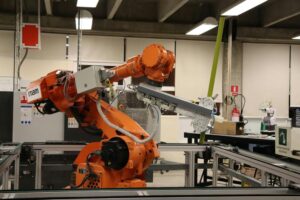


In an era defined by environmental consciousness and stringent regulatory landscapes, businesses are increasingly seeking innovative solutions to not only meet sustainability goals but also to leverage them as a strategic advantage. Robotics, traditionally lauded for boosting productivity and efficiency, is now emerging as a powerful tool in the arsenal of green innovation, offering pathways to reduced energy consumption, optimized material use, and the enablement of circular economies. For forward-thinking companies, integrating robotics for sustainability isn’t just about compliance; it’s a shrewd business move that can significantly enhance their environmental, social, and governance (ESG) standing while simultaneously delivering tangible cost savings and bolstering brand reputation.
Robotics: A Catalyst for Reduced Environmental Footprint
The direct impact of robotics on sustainability is multifaceted. Consider energy efficiency: modern robots are designed with advanced motor control and lightweight materials, often consuming less power per task than traditional machinery or manual processes. Furthermore, their precision can drastically reduce waste in manufacturing. For example, in industries like additive manufacturing (3D printing), robotic systems can build complex parts layer by layer, minimizing raw material waste compared to subtractive methods. This precision extends to applications like spray painting or adhesive application, where robotic control ensures optimal material usage, preventing overspray or excess application.
Optimizing Material Use and Waste Reduction: Robotics excels at consistent, repeatable tasks, which inherently leads to less material waste. In packaging, robots can precisely pick and place items, optimizing space utilization and reducing the need for excess packaging materials. In textile cutting, advanced robotic cutters can nest patterns with extreme accuracy, maximizing fabric yield and minimizing scrap. Beyond direct manufacturing, robotics can play a crucial role in disassembly and recycling. Automated systems can sort complex waste streams, separate materials, and even dismantle electronic waste more efficiently and safely than human workers, extracting valuable components for reuse or recycling and thus closing material loops in a circular economy model.
Beyond the Factory Floor: Broader Sustainability Impacts
The influence of robotics stretches beyond the production line. In logistics and warehousing, autonomous mobile robots (AMRs) and automated guided vehicles (AGVs) can optimize routes, reduce travel distances, and operate in energy-efficient modes, lowering the carbon footprint associated with internal transportation. This translates to less energy spent on moving goods, less wear and tear on infrastructure, and a more streamlined operation.
Moreover, robotics is enabling the transition to renewable energy sources. Robots are deployed in the construction and maintenance of solar farms and wind turbines, performing tasks that are dangerous or difficult for humans, thereby accelerating the rollout of green energy infrastructure. Their ability to work in harsh environments or at heights makes them indispensable partners in maintaining these critical assets, ensuring their long-term operational efficiency.
ESG Compliance and Brand Advantage
For businesses, the push for ESG compliance is no longer a peripheral concern but a core strategic imperative. Investors, consumers, and regulators are increasingly scrutinizing companies’ environmental impact, social responsibility, and governance practices. Integrating robotics for sustainability directly addresses the ‘E’ in ESG by providing verifiable improvements in resource consumption, waste generation, and carbon emissions.
By publicly showcasing investments in robotic solutions that contribute to sustainability, companies can enhance their brand reputation and differentiate themselves in competitive markets. Consumers, particularly younger generations, are more likely to support brands that demonstrate a genuine commitment to environmental stewardship. [Inference] This can lead to increased customer loyalty and market share. Furthermore, a strong ESG profile can attract ethical investors and unlock access to ‘green’ financing options, further fueling sustainable growth.
The Business Case: Savings and Strategic Advantage
The financial benefits of adopting robotics for sustainability are compelling. Reduced energy consumption directly translates to lower utility bills. Optimized material use means less raw material purchasing and reduced waste disposal costs. Improved efficiency often leads to higher output with fewer resources, boosting profitability. [Inference] The initial investment in robotic systems can be offset by these long-term operational savings, creating a strong return on investment.
Ultimately, robotics offers a powerful dual advantage: it provides the technological means to achieve ambitious sustainability goals while simultaneously serving as a visible commitment to responsible business practices. For businesses navigating the complexities of the 21st century, embracing robotics as a cornerstone of their green innovation strategy is not just an option—it’s an imperative for long-term resilience, profitability, and positive global impact.
About The Author