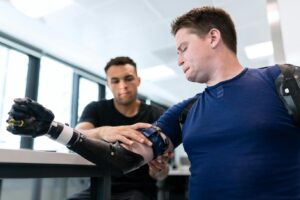


As the robotics and automation industry continues its rapid expansion, the demand for a skilled workforce has never been more critical. The ability of a country to transition its labor force to meet this demand is a key indicator of its future economic competitiveness. While many nations are playing catch-up, a few, notably Japan, South Korea, and Germany, have established themselves as leaders in robotics education and vocational training. By examining their approaches, other regions can glean valuable lessons to accelerate their own talent strategies and prepare for the future of work.
The Japanese Model: A Culture of Continuous Improvement and Integration
Japan’s strength in robotics education is deeply intertwined with its long-standing industrial history and a societal emphasis on precision and technological integration. The nation has a robust system of vocational high schools and technical colleges that offer specialized programs in mechatronics and robotics from a young age. This early exposure helps build a pipeline of talent with practical skills.
The curriculum often includes hands-on experience with industrial robots, often supplied directly by leading Japanese manufacturers. This close collaboration between industry and academia [Inference] helps ensure that training aligns with real-world needs. Furthermore, the Japanese concept of “kaizen,” or continuous improvement, extends to the professional sphere. Companies often invest heavily in internal training programs to upskill employees, ensuring they remain current with evolving robotic technologies.
South Korea: Government-Led Strategy and High-Tech Focus
South Korea’s approach is characterized by a strong government-led strategic focus on becoming a global leader in high-tech industries, including robotics. The government has made significant investments in research and development and has established specialized high schools and universities with a focus on robotics engineering and artificial intelligence.
South Korea’s public-private partnerships are particularly noteworthy. Government initiatives often provide funding for joint research projects between universities and companies, which helps bridge the gap between theoretical knowledge and practical application. The country’s dense urban centers also facilitate the quick adoption of new technologies and the integration of robotics into service sectors, from logistics to healthcare. This creates a feedback loop where demand from the job market directly influences the educational curriculum.
Germany: The Gold Standard of Dual Vocational Training
Germany’s success in advanced manufacturing, particularly in the automotive and machinery sectors, is built on its world-renowned “dual vocational training” system. This model combines classroom instruction at a vocational school with hands-on, paid apprenticeship experience at a company.
For robotics, this means students receive a comprehensive theoretical foundation while simultaneously gaining practical experience working with real industrial robots on the factory floor. The curriculum is developed in close cooperation with industry associations, [Inference] which helps ensure the training is highly relevant and meets the specific skill requirements of employers. This system produces a workforce that is not only highly skilled but also deeply familiar with the work culture and operational demands of their future employers. The model’s emphasis on deep, specialized knowledge makes German technicians highly sought after globally.
Lessons for Other Regions
- Early and Practical Education: The success of these nations highlights the importance of introducing robotics and mechatronics concepts early in the education system, from secondary school onward.
- Strong Industry-Academia Partnerships: Close collaboration between educational institutions and private companies is vital. This helps ensure that the curriculum is relevant and that students are equipped with the skills most needed by the job market.
- Governmental Vision and Investment: A clear national strategy and sustained government investment in robotics research and education can create a powerful ecosystem that fosters innovation and talent development.
- Emphasis on Lifelong Learning: The rapid pace of technological change means that initial education is not enough. Systems that encourage and support continuous learning and upskilling are crucial for maintaining a competitive workforce.
By adopting elements from these leading countries, other regions can build a robust talent pipeline, attract foreign investment, and secure their place in the global robotics economy.
About The Author