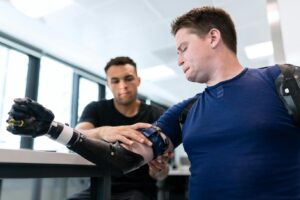


The talent challenge in robotics adoption
Across industries, executives cite a shortage of skilled labor as one of the biggest barriers to deploying robotics. While the technology is advancing rapidly, the workforce pipeline has not kept pace. For B2B leaders, this gap raises a pressing question: where should training investments be made to build a workforce ready for a robotics-driven economy?
1. Core technical skills in demand
- AI and machine learning programming: Robotics is increasingly powered by perception, decision-making, and adaptive algorithms. Engineers with experience in Python, TensorFlow, and ROS (Robot Operating System) are in high demand.
- Robotics maintenance and field service: Beyond building robots, industries need technicians who can install, troubleshoot, and maintain them. This requires a mix of electrical, mechanical, and software diagnostic skills.
- Systems integration: As robotics spreads into logistics, manufacturing, and healthcare, integration specialists who can connect robotics platforms with enterprise software (ERP, MES, WMS) are critical.
2. Human–robot collaboration skills
The rise of collaborative robots (cobots) has created a need for skills that blend technical know-how with human factors expertise. Workers need to understand how to operate safely alongside robots, while managers must design workflows that maximize both human and robotic strengths. Training in ergonomics, safety protocols, and collaborative process design is becoming part of workforce planning.
3. Emerging cross-disciplinary competencies
Robotics no longer belongs to engineering alone. Employers are seeking employees who can combine robotics literacy with domain knowledge in logistics, healthcare, or agriculture. For example, a healthcare robotics technician must understand both robotic systems and clinical workflows.
4. Building partnerships with schools and universities
Executives and HR leaders increasingly view educational partnerships as essential. Technical colleges, trade schools, and research universities are adapting curricula to emphasize robotics programming, maintenance, and AI integration. Corporate sponsorships, apprenticeships, and co-op programs provide students with hands-on exposure, while creating a pipeline of job-ready talent for employers.
What leaders should do next
- Audit workforce readiness and identify the most urgent skills gaps.
- Partner with local schools, universities, and training centers.
- Support continuous learning programs for employees already on staff.
Bridging the robotics skills gap is not just a workforce challenge—it is a competitiveness challenge. Companies that strategically invest in training today will be the ones best positioned to lead tomorrow’s robotics economy.
About The Author