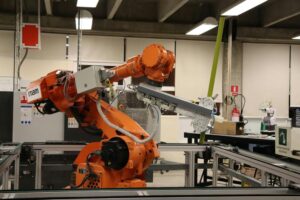


For years, the narrative of industrial robotics has been dominated by the automotive and electronics manufacturing sectors. While these industries continue to be significant adopters, the robotics landscape is rapidly expanding, driven by technological advancements, evolving societal needs, and the urgent demand for efficiency and safety across a broader spectrum of human endeavor. The “next frontier” for robotics lies in emerging markets and previously untapped industries such as agriculture, construction, and eldercare, presenting immense growth opportunities for robotics providers and promising profound transformations for these sectors. Professional readers seeking insights into market diversification, innovation pipelines, and future investment opportunities should keenly observe these burgeoning areas.
Agriculture: Cultivating Precision and Productivity
Agriculture, an industry grappling with labor shortages, climate change impacts, and the need for sustainable practices, is ripe for robotic innovation. Traditional farming methods are often resource-intensive, but agricultural robotics offers solutions for precision agriculture.
- Precision Spraying and Weeding: Robots equipped with advanced vision systems can identify weeds from crops and apply herbicides or mechanical weeding methods with pinpoint accuracy, dramatically reducing chemical usage and manual labor.
- Harvesting and Picking: Automated fruit and vegetable pickers can operate 24/7, reducing harvest losses, ensuring consistency, and alleviating reliance on seasonal labor. These robots are being designed to handle delicate produce without bruising.
- Monitoring and Data Collection: Drones and ground-based robots can monitor crop health, soil conditions, and irrigation needs across vast fields, providing data that enables farmers to optimize resource allocation and predict yields more accurately.
- Autonomous Tractors and Field Operations: Self-driving tractors and implements are becoming more common, increasing efficiency and allowing human operators to focus on more complex tasks or supervise multiple machines.
The technological adaptations required here include ruggedization for outdoor conditions, advanced navigation in unstructured environments, and perception systems capable of handling natural variations (e.g., different crop stages, weather). [Inference] The revenue opportunities for robotics providers are substantial, from direct sales of specialized agricultural robots to “robot-as-a-service” models for smaller farms.
Construction: Building Smarter and Safer
The construction industry, known for its challenging environments, high labor costs, and safety concerns, is undergoing a quiet revolution through robotics.
- Automated Bricklaying and Fabrication: Robots can lay bricks with greater speed and precision than humans, and also pre-fabricate modular components off-site, leading to faster construction times and reduced waste.
- Inspection and Monitoring: Drones and mobile robots can inspect difficult-to-reach areas of construction sites, monitor progress, and identify potential safety hazards.
- Demolition and Debris Removal: Robots can perform dangerous demolition tasks, protecting human workers from hazardous materials and falling debris.
- Heavy Equipment Automation: Similar to agriculture, autonomous excavators, bulldozers, and loaders are being developed to operate more efficiently and safely on construction sites.
Key technological adaptations involve robustness to dust and debris, advanced navigation in dynamic, changing environments, and the ability to collaborate with human workers on complex tasks. [Inference] Robotics providers can tap into a vast market for construction automation, offering solutions that promise not only efficiency gains but also significant improvements in worker safety—a major driver for adoption in this sector.
Eldercare: Enhancing Quality of Life and Support
As global populations age, the demand for eldercare services is skyrocketing, creating a significant labor shortage in many regions. Robotics offers compassionate solutions to support caregivers and enhance the quality of life for seniors.
- Companion Robots: These robots can provide social interaction, remind individuals about medication, and help reduce feelings of loneliness. They are often equipped with natural language processing for engaging conversations.
- Mobility and Assistance Robots: Exoskeletons and robotic walkers can help seniors with limited mobility to move independently, improving their physical activity and maintaining dignity.
- Monitoring and Safety: Robots can monitor vital signs, detect falls, and alert caregivers or emergency services, offering peace of mind to both seniors and their families.
- Service Robots: Automated systems can assist with tasks like fetching items, light cleaning, or delivering meals within an eldercare facility or home setting, freeing up human caregivers for more personal interactions.
Technological adaptations focus on human-robot interaction (HRI), safety around vulnerable individuals, privacy considerations, and the ability to perform tasks in a gentle and intuitive manner. [Inference] The revenue opportunities are diverse, ranging from direct-to-consumer sales of companion robots to partnerships with healthcare providers and eldercare facilities for integrated robotic solutions.
Market Diversification and Innovation Pipelines
These emerging sectors represent critical pathways for market diversification for robotics companies currently reliant on traditional industries. Investing in research and development tailored to the unique challenges of agriculture, construction, and eldercare will drive innovation pipelines, leading to new robot designs, more sophisticated AI capabilities, and novel business models.
For investors, these untapped markets offer the potential for significant returns, as early movers establish strong footholds in rapidly growing sectors. The demand for solutions in these areas is driven by undeniable demographic and economic shifts, making robotics not just a technological advancement but a fundamental component of future societal infrastructure. The next frontier is not just about where robots go, but what new possibilities they unlock for industries vital to human well-being and progress.
About The Author